Free shipping on most orders over $199! All orders placed before 2:00 PM MST ship within 2 business days. Ship to your home or PO Box!

How to Prepare for a Safe Hunting Adventure?
20
Sep
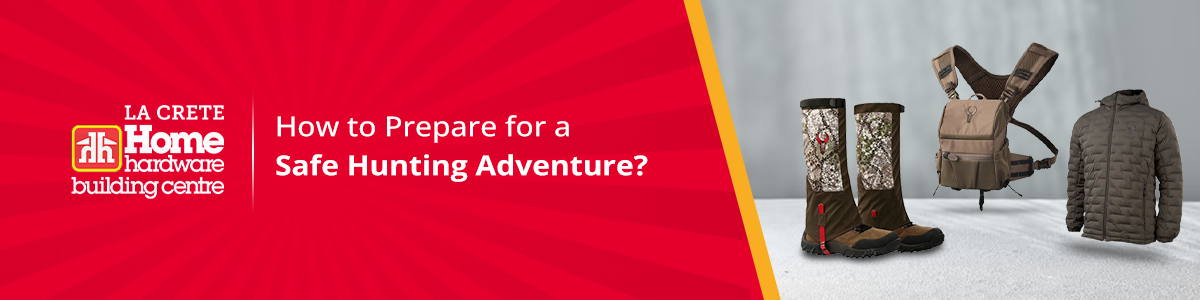
Hunting is a thrilling outdoor activity, but it can also be dangerous if not approached with proper preparation. Being prepared means having the necessary knowledge, skills, and equipment to handle unexpected situations.
To understand the importance of being well-prepared for hunting, here is an example: A hunter eager to bag their trophy sets out on a hunt without proper preparation. The weather takes a sudden turn, with a heavy storm rolling in. The hunter, unprepared with proper rain gear or a survival kit, becomes stranded in the wilderness. They're unable to find shelter and the temperature plummets. They can only treat minor injuries sustained during their ordeal with basic first aid knowledge or supplies.
This scenario highlights the importance of being prepared for unexpected situations. Had the hunter been equipped with appropriate gear, knowledge of survival skills, and a first aid kit, they could have mitigated the risks and potentially avoided a dangerous situation.
To ensure you do not regret the end, we’re here with our guide to help you prepare before setting out on a hunting adventure.
Firearm Handling
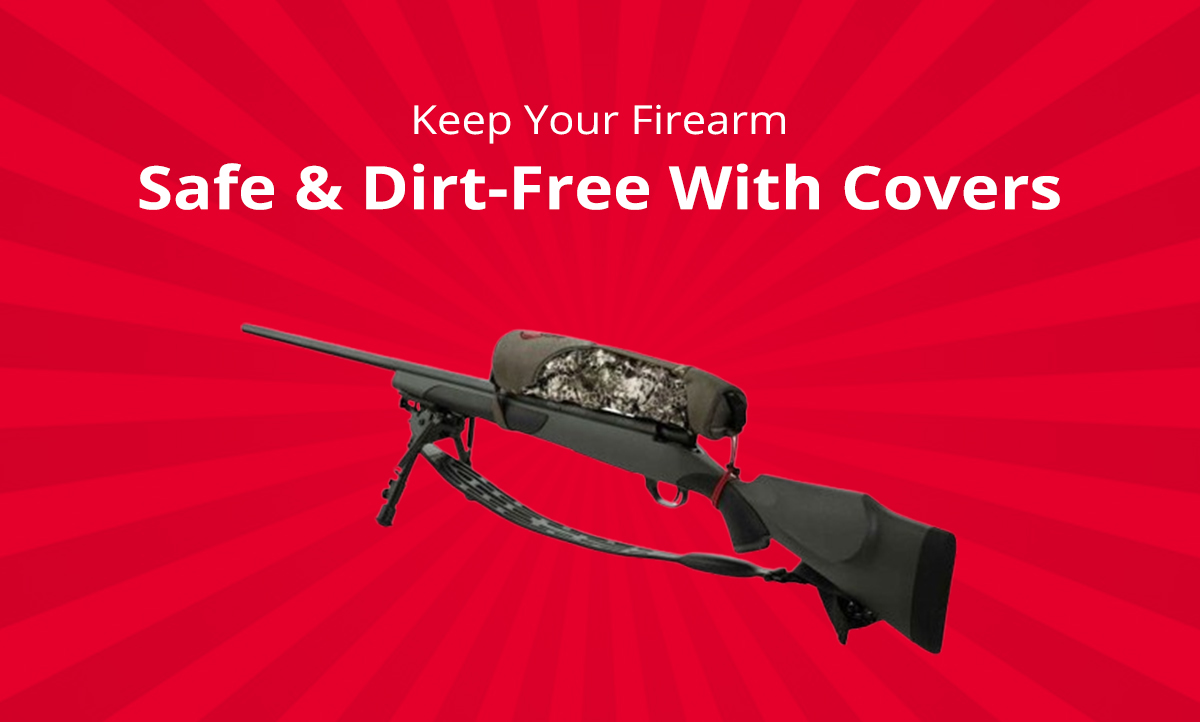
Firearms are powerful tools that require respect and careful handling. In Canada, strict firearms laws are in place to ensure public safety. Adhering to these laws and practicing safe firearm handling is essential to prevent accidents, protect others, and avoid legal consequences. Failure to comply with firearm regulations can result in fines, imprisonment, or the loss of hunting privileges.
Here are some tips to help you with Firearm Handling:
- Treat every gun as if it were loaded — This is the most crucial rule of gun safety. Always assume a firearm is loaded, even if you've checked it yourself.
- Never point a gun at anything you don't intend to shoot. This includes people, animals, or objects.
- Always identify your target and be aware of what lies behind it. Accidental shootings can occur when hunters mistake objects or other people for game.
- Only place your finger on the trigger when ready to take the shot. This prevents accidental discharges.
- Ensure your firearm is unloaded and stored safely when you're not actively hunting.
First Aid
A first aid kit is an essential piece of equipment for any hunter. It can be a lifesaver in case of accidents or injuries in the field. By carrying a well-stocked first aid kit, you can be better prepared to treat minor injuries, control bleeding, alleviate pain, and handle emergencies, ultimately increasing your chances of a safe and successful hunt.
Carry a comprehensive first aid kit. A well-stocked first aid kit should include:
| Item | Use |
| Bandages | Treating cuts, scrapes, and minor wounds |
| Gauze pads | Covering wounds and applying pressure |
| Adhesive tape | Securing bandages and dressings |
| Antiseptic wipes | Cleaning wounds and preventing infection |
| Pain reliever | Alleviating pain and discomfort |
| Antihistamine | Treating allergic reactions |
| Burn cream | Treating minor burns |
| Tweezers | Removing splinters or ticks |
| Scissors | Cutting bandages and dressings |
| Tourniquet | Controlling severe bleeding |
| Emergency blanket | Providing warmth in cold conditions |
Prescription Medications for Common Hunting-Related Ailments
While many common hunting-related ailments can be treated with over-the-counter (OTC) medications, some may require prescription medications, especially if they are severe or persistent. Always consult with a healthcare professional for a proper diagnosis and treatment plan.
| Condition | Prescription Medications |
| Severe diarrhea | Antidiarrheals (e.g., loperamide, rifaximin) |
| Chronic heartburn | Proton pump inhibitors (PPIs) (e.g., omeprazole, lansoprazole) |
| Persistent cough | Cough suppressants (e.g., codeine, dextromethorphan) |
| Severe allergic reactions | Antihistamines (e.g., cetirizine, fexofenadine), corticosteroids (e.g., prednisone) |
| Severe motion sickness | Antihistamines (e.g., meclizine) |
| Eye infections | Antibiotic eye drops or ointments |
| Pain managemen | Opioids (e.g., morphine, hydrocodone) |
Pro-Tips
- Learn basic first aid skills, including CPR and how to treat common hunting injuries. Knowing how to perform CPR and treat common hunting injuries, such as bleeding, fractures, and sprains, can be lifesaving in an emergency.
- Know how to use a tourniquet to control bleeding. A tourniquet can be used to stop severe bleeding from a limb. Ensure you know how to apply it correctly to prevent tissue damage.
- Communicate with emergency services clearly and provide your location. If you or a hunting partner requires medical attention, be prepared to provide your location and describe the situation clearly to emergency services.
|
Off-Topic But Helpful Information
|
Weather Preparedness
Check weather forecasts before your hunt. Stay informed about the weather conditions in your hunting area.
Tip 1: Be prepared for:
- sudden changes in weather, such as storms or temperature drops.
- changing weather conditions, including rain, snow, and extreme temperatures.
Tip 2: Dress in layers to adjust to changing temperatures. Pack rain gear, warm clothing, and a survival blanket. To save yourself from chilly weather, wear —Drifter Puffy Jacket, Resist Jacket-Approach-X-Larger or Pyre Jacket.
Tip 3: Carry emergency supplies, such as extra food, water, a survival blanket and the most important — Power Bank. Be prepared to spend the night outdoors in case of an emergency.
Tip 4: Know how to build a fire and shelter in an emergency. Basic survival skills can be invaluable in extreme weather conditions.
Recommendations for Shelters:
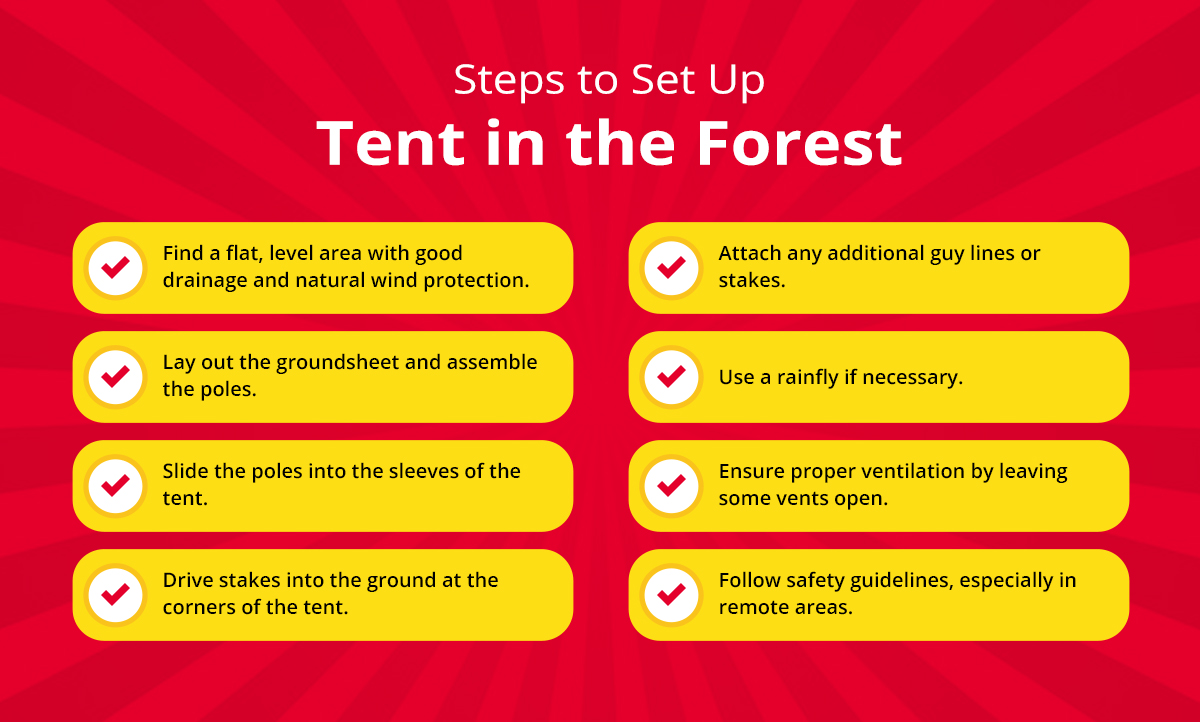
And, it would help if you had sleeping bags for a comfortable sleep. If you won’t be able to sleep properly, you won’t be able to focus on hunting. You don’t have to look further to find sleeping bags; we do have them for you—
Kuma Mini-Tonquin Sleeping Bag -3C Red/Black
And there may be times when the temperature is high, and you don’t want to feel suffocated in your sleeping bag. In those cases, you can take advantage of our Kuma Big Bear Camp Cot Sierra/Black
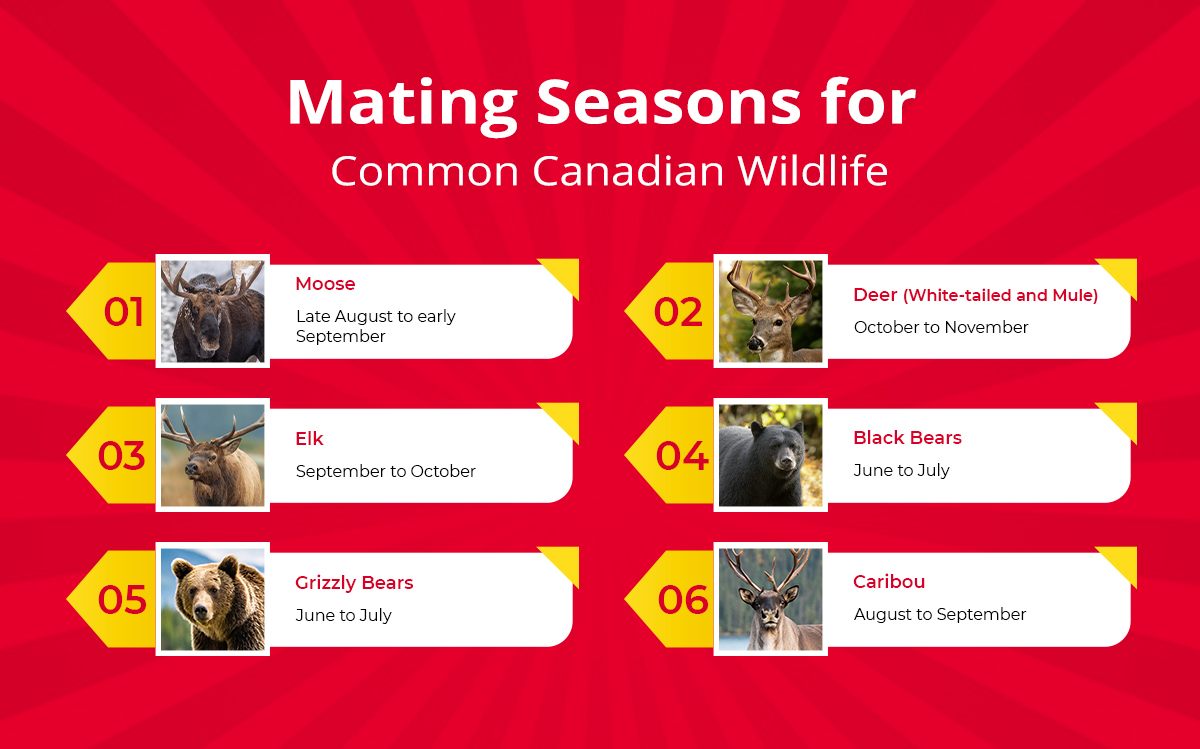
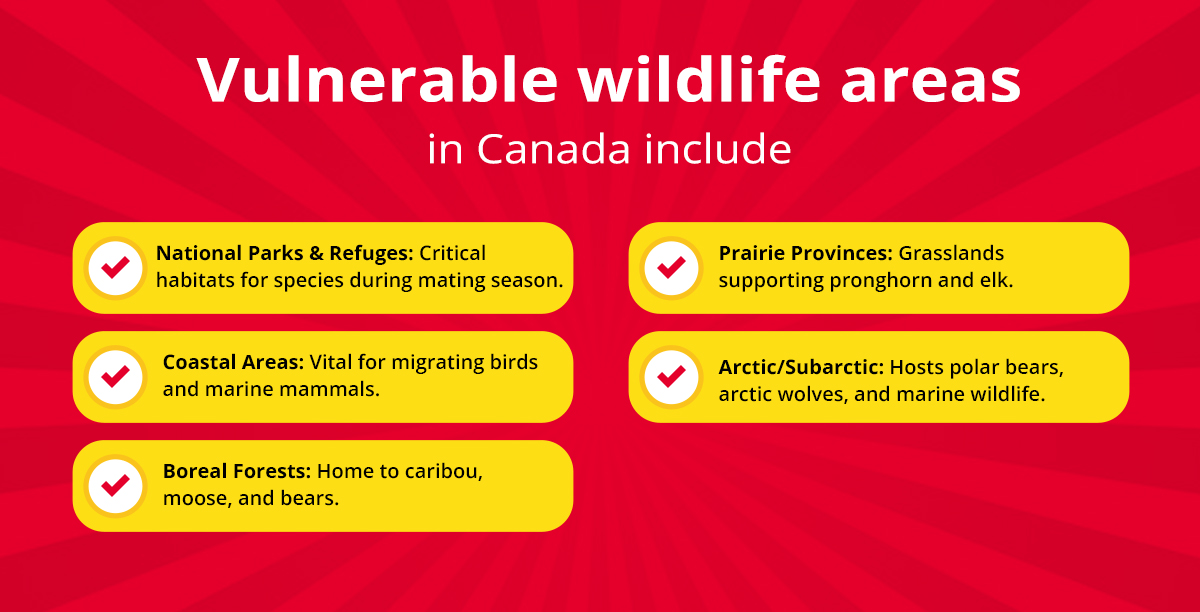
Tip 5: Respect wildlife and their habitats. Avoid hunting during mating seasons or in areas where wildlife is particularly vulnerable.
|
Off-topic nugget You may not find clean water in the forests, and your stomach may be too sensitive for unfiltered water. In that case, we have a solution for you — MSR Thru-Link Inline Filter |
Conclusion
Going on a hunting adventure without being prepared can create chaos. You may only fully enjoy hunting if you have the right equipment. Imagine hearing animal noises and wanting to see faraway areas, only to realize that you forgot to bring your binoculars. It's advised to pack your hunting gear and first-aid kit, be informed about weather conditions, and make sure to have your power bank with you. You may need it to make urgent calls, whether to healthcare professionals, forest authorities, lost friends, or anyone else.
Recent Posts
-
How to Choose the Perfect Makita Angle Grinder?
 April 29, 2025
 -
Why are Calico Critters so popular Among Kids?
 February 27, 2025
 -
10 Reasons to Use Playmobil Toys for Kids’ Imaginative Playtime
 February 14, 2025
 -
Know How Fashion Angels Products Inspire Creativity and Fun for Kids
 January 30, 2025
 -
Farm Toys: Transform Playtime into a Farmyard Adventure & Learning
 January 8, 2025